What Is Omnichannel Marketing?
 By
By 
At Integrity, we often hear questions about the differences between omnichannel, multichannel, and integrated marketing strategies. These terms are sometimes used interchangeably, but each represents a different level of coordination across marketing channels. More importantly, they represent a shift in how brands connect with their target audience.
A Comprehensive Approach to Customer Engagement
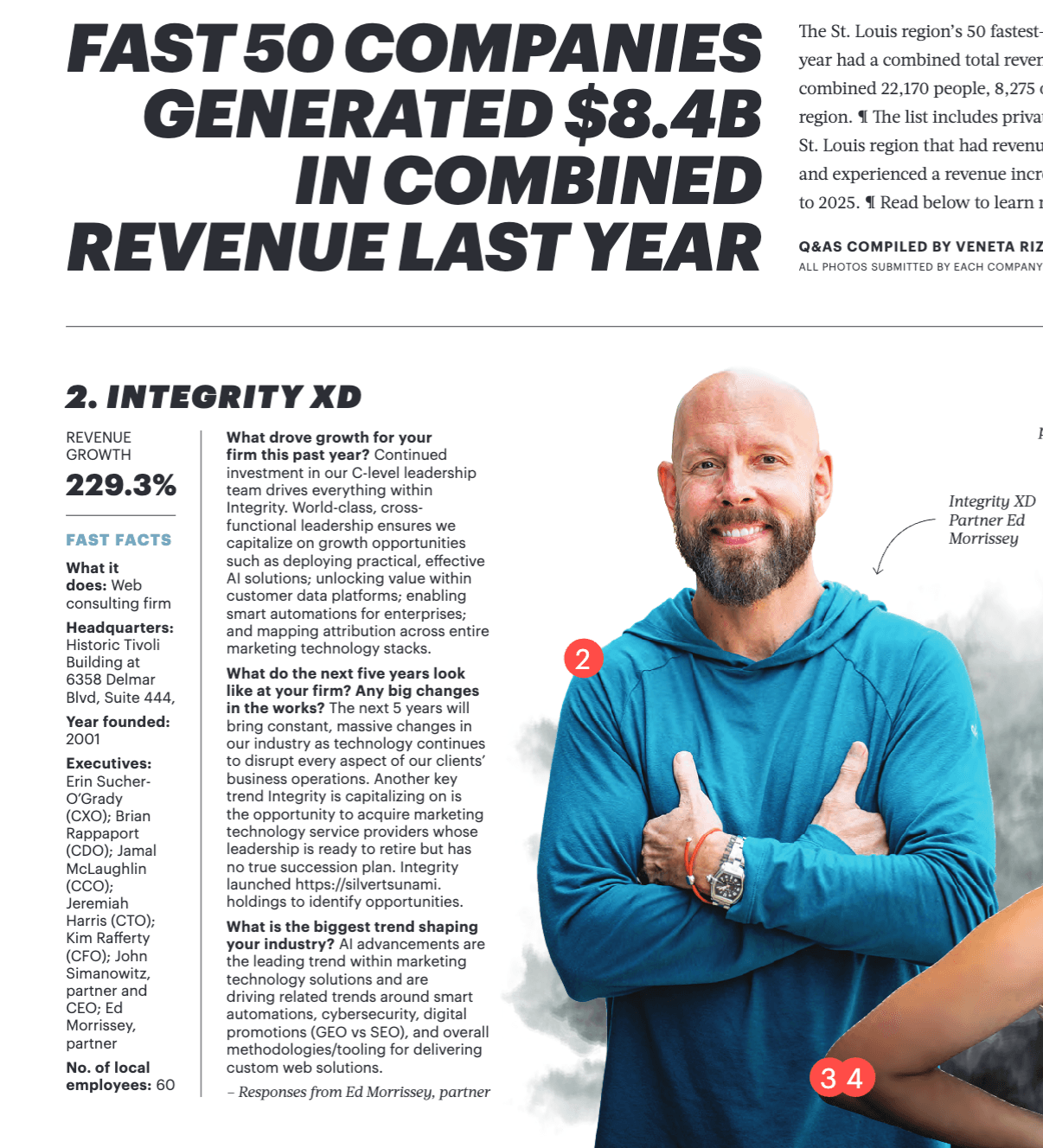
A true omnichannel marketing approach is more than just using different platforms. It’s a holistic approach that connects offline channels like your physical store or direct mail with digital channels like your mobile app, social media, email campaigns, website, and custom landing pages. The goal? A seamless customer experience where all customer touchpoints work together to meet customer needs at the right time through their preferred channel.
This level of integration drives a consistent brand story, supports customer loyalty, and delivers a more comprehensive experience to each visitor. It’s not just smart — it’s required to reach today’s consumers. In a recent MDMC marketing conference in St. Louis, we heard that it now takes 11 touchpoints before someone is ready to engage. This is up from 8 touchpoints!
Real-World Example of Omnichannel Marketing
Let’s look at an example of omnichannel marketing in action.
- A homeowner is watching a streaming service and sees a flooring ad that matches a series of email newsletters they had received over several weeks, along with the print postcard they received earlier that day.
- Curious, they grab their mobile device, scan the QR code in the ad and visit the online store to check prices and styles.
- They Google “flooring near me” and find our client again via our SEO efforts and maybe even a paid ad.
- The commercial ends and they get back to their show while scrolling through Instagram.
- They quickly see a retargeting ad and revisit the web site.
- With one tap, they forward product info to their spouse.
- The promotion creates urgency, so they click to schedule an in-home consultation. By the next morning, the sales team is following up to close the deal.
What Just Happened?
That single action sequence involved:
- A TV ad (broadcast media)
- A mobile app or website visit (online channels)
- SEO (search engine optimization)
- SEM (search engine marketing)
- Direct mail
- Email marketing
- Social media ad
- A quick share via digital channels
- A conversion through a scheduling tool
Each channel supported the next step or reinforced the previous touchpoint, helping guide the customer through the buyer’s journey — from awareness to action — using a highly coordinated, customer-centric approach. And when the homeowner visits the showroom, they will see related POS and print materials that seamlessly blend the traditional and digital marketing tactics.
The Benefits of Omnichannel Marketing
This type of unified experience doesn’t just feel better. It leads to:
- Increased customer satisfaction
- Improved customer interactions
- Higher brand awareness and brand recognition
- Greater customer loyalty and retention
- A clearer marketing funnel and stronger conversion rates
Here’s why that matters: most viewers multitask. According to Nielsen, many people use a second device while watching TV, often researching content, messaging friends, or exploring related social media marketing campaigns in real time. If your channels aren’t working together, you’ll miss the chance to deliver the right message at the right time.
Omnichannel vs. Multichannel: Key Differences
It’s helpful to understand the key differences between a multichannel marketing strategy and an omnichannel strategy:
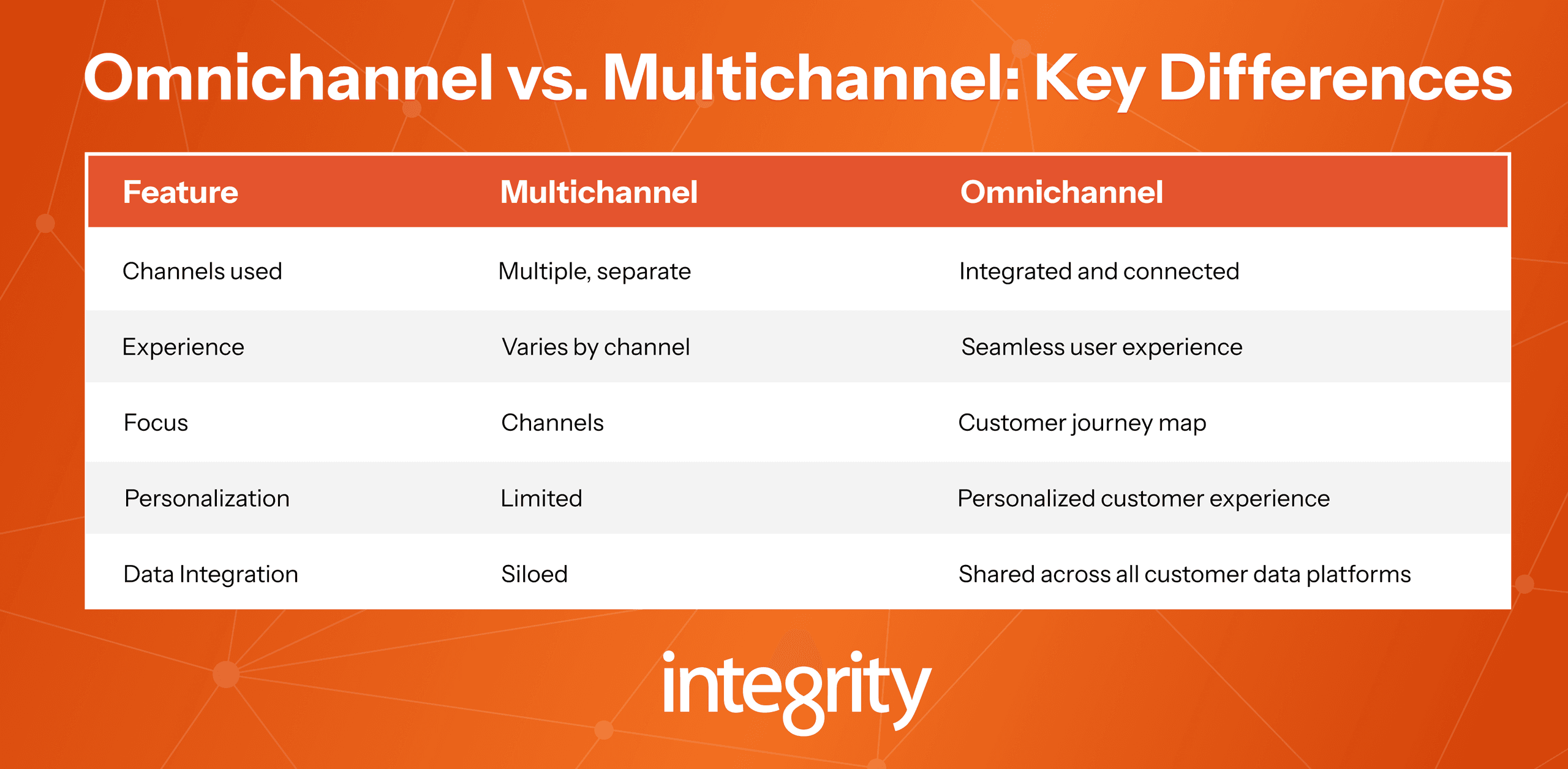
A multichannel approach means your marketing team might use tactics like email marketing, social media, video, and POS in a brick and mortar store, but without aligning messaging or tracking behavior across channels. In contrast, an omnichannel campaign connects everything into a good omnichannel strategy, making it easier to deliver relevant experiences and build lasting relationships.
We often see large enterprise clients operating with siloed brand and channel teams, one agency managing social media, another handling email marketing, and yet another focused on events. While each group produces content and campaigns, they rarely coordinate across teams or share insights.
The result is a classic multichannel approach: multiple marketing efforts running in parallel, but without the alignment needed for a seamless, customer-centric experience. An omnichannel strategy, by contrast, requires these teams to collaborate, share data, and work toward a unified goal — delivering a consistent brand experience across every customer touchpoint.
Building a Successful Omnichannel Marketing Strategy
Here are some key steps to building a successful omnichannel marketing strategy:
- Identify your customer segments and create detailed buyer personas
- Use customer relationship management tools and automation tools to track behaviors
- Align your brand identity and deliver consistent messaging across every touchpoint
- Test performance with A/B testing and refine your approach
- Prioritize customer support and in-store experience as much as online channels
- Track the overall customer experience and adjust based on insights
A well-executed omnichannel commerce plan isn’t just about more marketing efforts—it’s about smarter ones that deliver a better customer experience.
Let Integrity Help You Build a Unified Brand Experience
Whether you’re managing marketing strategies across various channels or starting from a single channel, Integrity helps brands evolve to meet customer expectations. Our business strategy and design expertise turn disjointed marketing campaigns into cohesive journeys.
We help clients unify touchpoints into a seamless experience that drives growth — and resonates with both new and loyal customers alike. Integrity can be the bridge between all of your siloed teams and agencies. Let’s create an omnichannel experience your potential customers will actually enjoy.
Contact us today to get started with a smarter, connected approach to marketing.
Additional Resources